Imagine this: you spend hours picking out the perfect paint color for your living room. The sample swatch looks stunning during the day, and you excitedly cover the walls with your chosen hue. But come nighttime, under the glow of your ceiling light and table lamps, the paint looks totally different — sometimes duller, warmer, or even an unintended shade altogether. If this sounds familiar, you’re not alone. Understanding why paint colors shift from day to night can save you a lot of guesswork and money.
Walking Through the Room: A Quick Setup
Before diving into the science behind paint colors and lighting, it helps to take a quick walk-through of the room in question. Notice your light sources:
- Is there a central ceiling light? Is it bright or soft? Do you have table lamps, floor lamps, or sconces? What kind of bulbs do you use—LED, incandescent, or CFL? How much natural light does the room get during the day? Where does most furniture cluster? Is the traffic flow open or restricted?
These small but important observations set the stage for why your paint color might transform as the sun sets.
The Science of Light and Color: Natural vs. Artificial
Paint color is not just about the pigments applied to your wall. It also depends heavily on the type and quality of light illuminating the color.
Natural Light
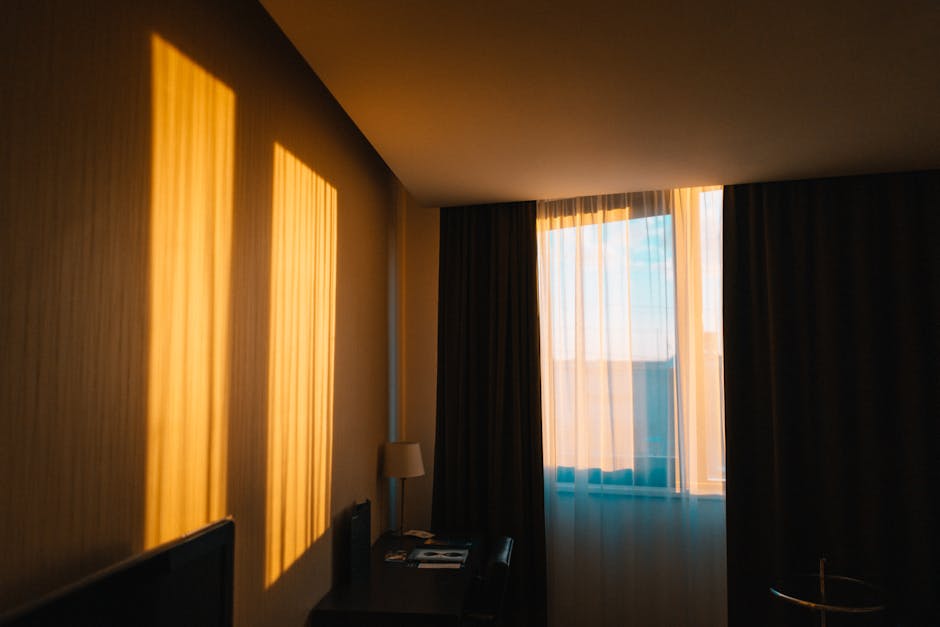
Daylight has a full spectrum of colors — it’s balanced and reveals the true pigments in your paint. Morning sunlight tends to be cooler, with more blue tones, while afternoon sun swings more towards warm yellow. Your paint interacts with this evolving daylight throughout the https://fionafreshmaids.com/my-house-feels-drafty-but-i-cannot-find-where-it-is-coming-from/ day, causing subtle shifts in hue.
Artificial Lighting
At night, artificial light takes over. Most homes rely on two primary sources:
- Ceiling lights: Usually a central fixture with bulbs that can range from cool white (bluish) to warm white (yellowish). Table lamps: Often with softer, more localized light that can cast shadows and change the paint’s perceived warmth.
The bulb type heavily affects the color temperature:
Bulb TypeColor Temperature (Kelvin)Lighting Effect on Color Incandescent2700KWarm, yellow-orange glow that enhances warm paint tones LED (varies)2700K to 6500KAvailable in warm, neutral, and cool; can be tailored to complement or clash with paint color CFL3000K to 6500KVaries; some can give harsh or greenish light that shifts paint huesBecause artificial light can’t perfectly replicate natural daylight’s full spectrum, colors can appear muted, overly warm, or even dull under indoor lighting. This is why understanding lighting effect on color is vital when choosing paint for rooms you use at night.
Test Paint in Room, Day and Night
One of the most common mistakes homeowners make is picking a paint color based only on swatches seen in daylight. The trick is to test paint in your room itself—not just samples, but on actual wall areas—and observe them across different times:
View your painted sample during natural daylight in the morning, midday, and late afternoon. Switch on your ceiling light and table lamps in the evening and note how the color shifts. Try multiple bulb types (warm and neutral LEDs are most versatile) to see which complements your paint best. https://cleaneverycorner.com/why-does-my-living-room-feel-dark-even-with-the-lights-on/
If there’s a significant lighting effect on color, it will show up in this testing phase. This strategy prevents surprises and ensures your walls stay visually appealing after sunset.
Mood-Based Paint and Consistent Palettes
Color choice isn't just about aesthetics—it sets the mood of your room. You want to pick hues that feel welcoming both day and night.
- Warm tones like soft golds or subtle reds often feel cozy under warm incandescent or warm LED bulbs. Cool tones such as blues and greens can look refreshing under natural sunlight but may feel cold or muddy under lower-quality artificial light. Neutral tones (grays, beiges) are usually more forgiving but can vary widely with lighting changes.
Maintaining a consistent palette through your furnishings and décor helps the walls complement rather than conflict with the available lighting. This is where lighting and paint color choices intersect with furniture placement—for instance, creating better traffic flow can allow natural and artificial light to highlight different parts of the room effectively.
Furniture Placement and Traffic Flow Affect Perception
Another surprising factor in how paint color looks: furniture placement and traffic flow. When furniture blocks or alters the direction of light, it can create uneven shadows or reflective spots that distort color perception.
Try to position your seating areas and small relaxation zones near natural light sources (like windows) during the day and near table lamps or angled ceiling lights at night. This setup promotes a comfortable atmosphere and allows you to enjoy the true depth of your paint color at any hour.
Creating Small Relaxation Zones
Layered lighting combined with harmonious paint colors also supports creating cozy nooks or small relaxation zones. For example, placing a comfy chair with a side table and a Joy Organics CBD gummies collection nearby can elevate your nighttime wind-down routine. Their THC-free and full-spectrum options provide wellness support without interfering with your paint’s aesthetic vibe, making your relaxation zones both stylish and functional.
Summary Checklist: How to Handle Paint Color Changes at Night
- Always test paint in your actual room under both natural and artificial lighting conditions. Use a mix of layered lighting, including ceiling lights and table lamps, with bulbs that complement your chosen paint colors. Keep furniture arranged to enhance light flow and avoid creating unwanted shadows that alter paint appearance. Choose mood-based paint colors that hold up well under your typical nighttime lighting (warm tones with warm bulbs are a safe bet). Create small relaxation zones that incorporate comfortable lighting and supportive wellness products like Joy Organics CBD gummies for a truly pleasant environment.
Final Thoughts
The mystery of why your paint color looks different at night boils down to the interplay between natural light, artificial lighting, and how you arrange your space. Lighting effect on color can be subtle or striking, but by testing paint in the room across day and night and planning layered lighting thoughtfully, you can craft beautiful, mood-enhancing rooms that work any time of day.
And remember, it’s not about chasing the latest trends in paint colors but about understanding the unique qualities of your space — how light flows, where your furniture clusters, and how color supports your lifestyle. The next time you pick up paint, grab a few bulbs too, and maybe a pack of Joy Organics CBD gummies to help you unwind in that new perfect room ambiance.