If you’ve been turning wrenches long enough, you know that the best repairs happen when you’ve got a second set of hands or a specialized tool you didn't know you needed. Over the last nine years of long-distance riding, I’ve learned that the same principle applies to travel. You can plan every fuel stop and tire change in a spreadsheet, but you’re still missing the most critical piece of the puzzle: local knowledge.
That’s where Horizons Unlimited (HU) comes in. You’ve likely heard the name if you’ve spent any time lurking on the HUBB discussion forums or thumbing through the HU newsletter. But let’s cut through the fluffy travel jargon. What actually *is* Charleston weekend getaway itinerary an HU Community, and why should you care when you’re 2,000 miles from home with a leaking fork seal?
What Exactly is an HU Community?
Forget the influencers posting sunsets from a luxury hotel. An HU Community isn’t a commercial enterprise, a fancy club, or a brand-sponsored gimmick. It’s a network of real people—riders and locals—who have signed up to be a point of contact for travelers passing through their patch of the globe.
These are folks who understand that when you roll in, covered in road grime, exhausted, and needing a place to park your bike safely, you don’t want a hotel concierge. You want a garage, a concrete floor, or just someone who knows where the local shop is that carries your specific chain size. Currently, there are over 850 HU Communities scattered across 115 countries. That’s a massive web of riders, mechanics, and enthusiasts who are ready to meet local riders and help those just passing through.
The "Park and Walk" Philosophy
Look, I’ve been on the road long enough to know that the biggest mistake riders make is pulling into a new town, parking their bike in the middle of a traffic jam, and trying to plan their next move while wearing a helmet that’s slowly cooking their brain.
My golden rule? Park and walk first. Before you check your phone for the "best" tourist spots or look for a place to crash, find a spot to drop the bike. Take off the jacket, stow the helmet, and walk a few blocks. Get the rhythm of the place. Feel the temperature. Find a diner or a coffee shop where the staff doesn't bat an eye if you walk in with slightly dusty boots and a tank bag slung over your shoulder.
When you use the HU network, the goal isn't just to get help; it’s to integrate. These communities exist to slow you down. If you’re rushing, you’re just moving freight. If you’re engaging with the community, you’re actually traveling.
Stopover Spotlight: Charleston, South Carolina
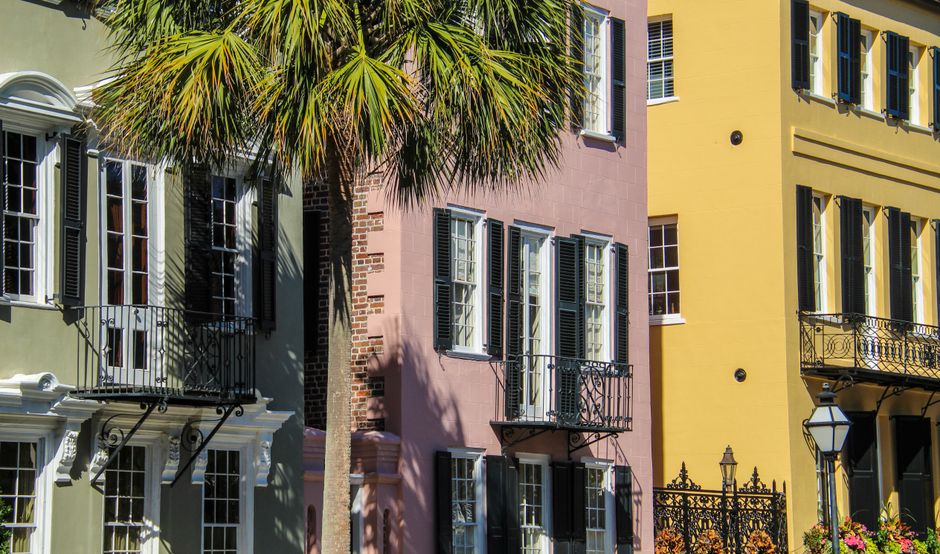
I get asked all the time about rider-friendly stops on the East Coast. Charleston is a standout, not because it’s "perfect," but because it’s functional and welcoming if you know how to approach it. If you’re heading through this corridor, don't just blast down the highway.
Logistics for the Rider
Charleston can be a headache for bikes if you aren't careful. It’s got narrow streets and, frankly, a lot of drivers who aren't looking for a motorcycle. My advice: Stay slightly outside the peninsula and ride in during the quiet hours. A 7:00 AM ride into the historic district beats the afternoon heat and the tourist gridlock every single time.
The "Big Payoff" Detour: Angel Oak
When you’re in the area, skip the trendy beach bars for a minute and head out to the Angel Oak on Johns Island. It’s an easy detour that pays massive dividends for your mental health. It’s a quiet, massive tree that’s been standing for centuries. There’s no hard sell, no entry fee that costs a fortune, and it’s the perfect place to sit in the shade and re-check your chain tension.
The Harbor Experience
If you want the best skyline view, avoid the paid harbor cruises. Park your bike in a legal spot near Waterfront Park, walk the path, and look back across the Cooper River. It’s free, it’s low-pressure, and it gives you that moment of "I actually made it here on my own bike" that we all chase.
Data at a Glance: The HU Network
I don't like fake stats, so here is the breakdown of what the network looks like today based on current data. It’s a living, breathing map, not a static brochure.
Metric Status Number of HU Communities Over 850 Countries Reached 115 Primary Resource HUBB Discussion Forums Stay Updated HU Newsletter Community Philosophy Practical, localized supportWhy Gear Shaming is for Amateurs
I’m going to address something that drives me crazy on the forums: the constant "brand wars." You’ll see people arguing over whether a $1,000 jacket is better than a $200 one, or whether you need a top-of-the-line ADV bike to travel.
The HU community is the antithesis of this. When you pull into an HU meetup or contact a community member, nobody gives a damn about your logos. They care if your bike runs and if you’re safe. I’ve seen guys on 20-year-old dual sports crossing borders alongside people on brand-new, dealer-serviced machines. We all have the same flat tires, and we all have the same sore backs. Don’t let the internet gear snobs keep you from reaching out to these communities. If you’re riding, you belong.
How to Connect Without Being a Burden
If you want to tap into these 850+ communities, remember that these aren't hotels. They’re people. When you reach out via the forum or the contact info provided by the HU site:
Be clear about your timeline: Don't ask for a place to stay for a week if you’re just passing through. Offer, don't just take: If someone gives you a spot in their garage, buy them a coffee, bring a local item from your home area, or just help them sweep up their shop. Respect the quiet: These members have lives. If they can’t host you, don’t take it personally. Use their local advice instead.Final Thoughts: Just Get Out There
The HU network is the best-kept secret for those who actually want to ride, not just talk about riding. It’s there for the moments when the road gets long, the weather turns, or you just need a conversation with someone who understands why you’re doing this in the first place. Whether you’re stopping in Charleston to look at an old tree or crossing an international border in a remote corner of the world, remember: park first, walk, and look for the community. The rest will sort itself out.

See you on the road—and hopefully, in a garage somewhere along the way.