Look, I get the frantic phone calls every single day. You’re out mowing the lawn, minding your own business, and suddenly you’re dodging a squadron of angry insects. You run inside, call the office, and the first thing you say is, "I have bees in my lawn and they just appeared out of nowhere!"
Let’s clear the air right now: Where exactly are you seeing traffic? Before we talk about how much it costs to fix, I need to know if we are dealing with a localized entrance point in the soil or if you’ve actually got a yellow jacket nest surprise under your porch stairs. Also, stop calling them "bees." If they are chasing you while you mow, they are almost certainly yellow jackets, and they are not looking for pollen—they are looking for a fight.
Here is the reality of why these nests seem to pop up overnight, and what you actually need to do about it.
The Mid-Season Nest Growth Phenomenon
People often ask me, "If the nest was there, why didn't I see them in May?" It’s simple biology. In the early spring, a lone queen starts a colony. It’s tiny. You wouldn't notice it if you walked right over it. But as we hit the mid-season nest growth phase, the population explodes. By July and August, a single queen has produced hundreds, sometimes thousands, of workers.

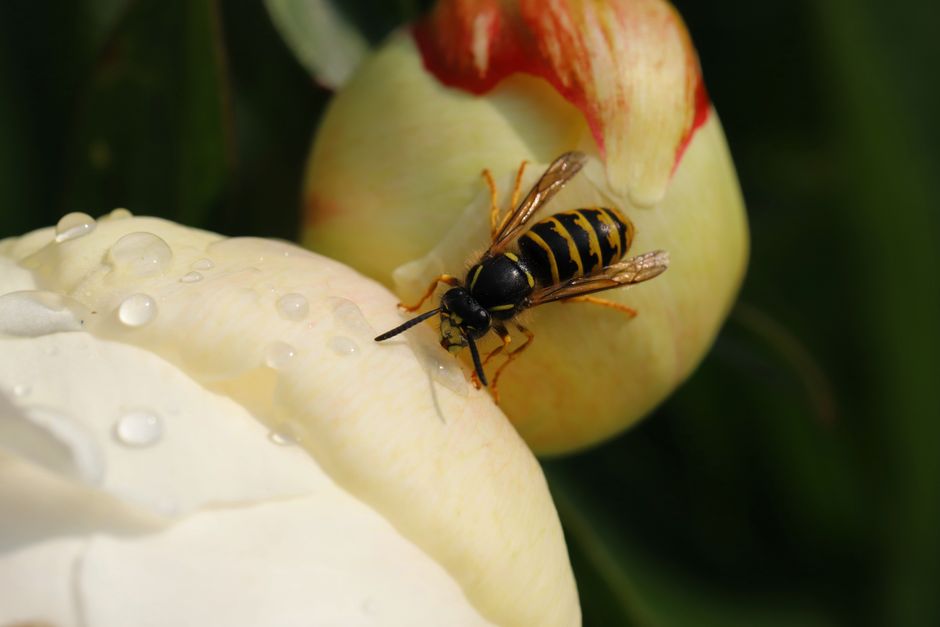
The ground hive's sudden appearance isn't actually "sudden." It’s just that the nest has finally reached a size where the daily traffic to and from the entrance hole is finally noticeable to a human. You didn't miss it; it just wasn't big enough to be a problem until now.
Common Nest Locations: It’s Not Just the Ground
While my phone rings off the hook for ground nests in August, I’ve got a mental checklist of places these things hide. If you think you have a ground nest, make sure you aren't actually looking at one of these common alternatives:
- Wall Voids: If you see insects disappearing behind your vinyl siding, that’s not a ground nest. That’s a wall void, and if you use a DIY spray to "seal" it, you are going to force them into your living room. Never, ever spray a wall void entrance. Deck Framing: Yellow jackets love the dark, hollow spaces between deck joists. Shutters and Eaves: Sometimes they climb up, but it looks like they are coming from the ground because of how they fly. Abandoned Rodent Burrows: This is the classic ground nest setup. Yellow jackets love stealing old chipmunk or mouse holes.
Stinging Insect Identification Table
Before you panic, let’s identify what you’re dealing with. If you aren't sure, don't guess.
Insect Type Aggression Level Common Nesting Spot Diet Yellow Jacket High Ground/Wall Voids Protein & Sugars Honey Bee Low (unless provoked) Large Hives/Trees Pollen/Nectar Bumble Bee Moderate Ground (usually solitary) Pollen/Nectar Cicada Killer Low (males are bluffs) Sandy soil/Lawns CicadasWhy "Just Spraying It" Is the Worst Advice
I hear it all the time: "I just bought a can of spray from the hardware store and dumped it down the hole." This makes me want to pull my hair out. If you don't know the depth of the nest, or if the nest is deep within a wall void, a hardware store spray is just going to irritate the colony.
Professional pest control, whether you choose a local outfit like Bee Smart Pest Control or if the situation is better suited for a relocation specialist like Mega Bee Pest Control (Mega Bee Rescues), relies on specific tools:
Fast-acting materials: These are used to neutralize the immediate threat to human safety. Residual treatments: These are applied to ensure that even the foragers returning to the nest later in the day are taken care of, preventing the colony from just moving three inches to the left.A "just spray it" approach usually results in survivors rebuilding or, worse, them finding a new way into your house through an electrical outlet or baseboard.
The Mowing Risk
Let’s talk about lawn mowing. If you hit a ground nest with a mower, you are in immediate danger. The vibration and the wind of the mower deck trigger the defensive response of the colony. If you’ve spotted traffic in your lawn, skip that section for now. Mark it with a flag or a bucket (from a safe distance!) and call a pro.
If you have an aggressive nest, you don't need a "bee keeper," you need someone who understands the behavior of social wasps. Companies like Bee Smart Pest Control know that timing is everything. They will likely come out in the early morning or dusk when the foragers are inside the nest. That’s how you actually solve the problem rather than just making them angrier.
When to Call for Help
If you see more than two or three insects entering and exiting the same hole in the ground, do not wait. The nest is only going Check out this site to grow until the first hard frost of the season. Here is your action plan:
- Observe: Stand back. Watch where they are entering. Are they in the dirt, or behind the house trim? Protect: Keep kids and pets away from that specific area. Contact: Call a professional. If you suspect they are honey bees, reach out to someone like Mega Bee Pest Control (Mega Bee Rescues) because those pollinators are worth saving. If they are yellow jackets, call a company like Bee Smart Pest Control to safely remove the hazard.
Bottom line: Ground nests are a standard part of late summer in Connecticut. They aren't a surprise if you know what to look for, but they are a massive risk if you treat them like a DIY project. Stay safe, stay back, and let us handle the heavy lifting.