Hi there! If you’ve clicked on this, I’m guessing you’re currently staring out your sliding glass door, watching a steady stream of yellow jackets or paper wasps zipping in and out of a gap in your deck boards. You’re likely holding a can of hardware-store spray in one hand and a tube of construction caulk in the other, thinking, “If I just seal this hole, the problem goes away, right?”
Stop. Put the caulk down. Before we talk about how we can get you back to grilling on your patio safely, I need to know: Where exactly are you seeing the traffic? Is it a specific gap between the boards, a hole in the rim joist, or are they disappearing into the mulch against Find more information the foundation? Knowing exactly where they are entering is the difference between a quick, safe service call and a living room full of angry, confused wasps.

I’ve been managing the phones and the scheduling desk here in Connecticut for years, and I see this cycle every July and August. Please, do not block a wasp entrance. Ever. Here is why, and here is how we actually handle these nests.
Why Blocking the Hole is a Terrible Idea
When you seal an entrance point while a nest is active, you aren't "trapping" the wasps; you are essentially creating a highway for them to find a new route—usually through your interior walls, light fixtures, or HVAC vents. Wasps are incredibly persistent. If they can’t get out the front door, they will chew through drywall or follow plumbing lines until they pop out inside your home. I’ve had more homeowners call me in a panic because they blocked a hole, only to end up with fifty wasps in their kitchen.
Furthermore, blocking the entrance prevents a professional from doing their job. We need that entrance to apply the correct treatments safely.
Stinging Insect Identification Basics
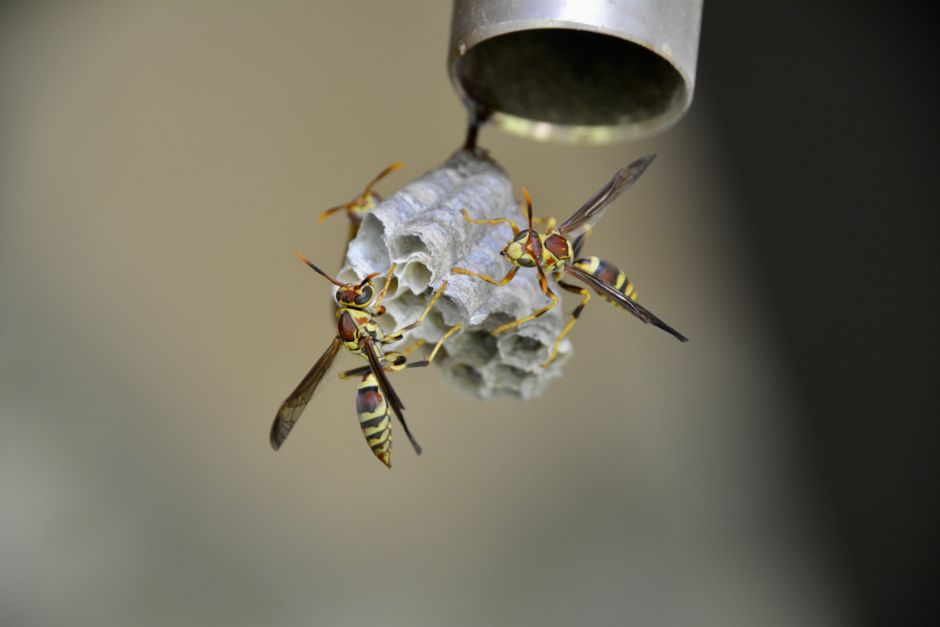
First, let’s clear something up. Most of what I hear over the phone described as "bees" are actually wasps or yellow jackets. If you see a swarm of aggressive, hairless, yellow-and-black insects near your deck, they are almost certainly not honeybees. Honeybees are beneficial pollinators that rarely nest in deck voids. If you actually have honeybees, you might need someone like Mega Bee Pest Control (Mega Bee Rescues) to handle a relocation rather than an extermination. However, if they are yellow jackets, bald-faced hornets, or European paper wasps, those are structural pests that require specialized attention.
Quick ID Table
Insect Type Behavior Common Nest Location Yellow Jacket Aggressive, scavenges food Ground, wall voids, under decks Paper Wasp Less aggressive, umbrella-shaped nest Under eaves, railings, deck joists Bald-Faced Hornet Highly aggressive Trees, bushes, structural corners Honeybee Docile unless provoked Hollow trees, interior wall voidsCommon Nest Locations Around Your Home
Wasps are creatures of opportunity. They look for protected, climate-controlled environments that are close to food sources (your trash cans, BBQ remnants, and garden). My mental checklist for high-risk spots includes:
- Deck Joists and Rim Joists: The structural "bones" under your deck provide the perfect dry shelter. Shutters: The gap between a window shutter and your siding is a classic wasp favorite. Wall Voids: Any gap in siding, brick mortar, or where a cable line enters the house. Ground Nests: Often located in abandoned rodent burrows under the lawn or tucked against a concrete slab.
A note on lawn mowing: If you have a ground nest near your deck, please stop mowing that area immediately. The vibration of the mower is a major trigger for yellow jackets. They perceive the mower as a large predator and will swarm to defend the colony. I’ve taken too many calls from homeowners who didn’t realize they were mowing over a nest until it was too late.
Seasonality: Why August is the "Danger Zone"
You’ll notice that wasp activity peaks in mid-to-late summer here in Connecticut. In early spring, a queen is starting her colony with just a few workers. By August, a single nest can house thousands of workers. They become more aggressive during this time because they are desperately foraging for carbohydrates to feed the final brood of the season. If you are seeing traffic now, the nest is likely at its maximum capacity.
Safe Steps Before You Call for Service
I hate when people tell me they used "just spray it" on a nest they found in a wall void. When you spray a nest entrance from the outside without knowing the nest's depth or exact location, you risk agitating the colony and causing them to disperse deeper into your home. Leave the "just spray it" mentality at the hardware store.
Instead, follow these steps before booking your service with a reputable company like Bee Smart Pest Control:
Observe from a distance: Don't get right up next to the deck. Use binoculars if you need to. Identify where they are flying and note the direction. Mark the spot: Use a piece of painter's tape or a small flag nearby so the technician knows exactly where to look when they arrive. Clear the area: Move outdoor furniture, pet bowls, or kids' toys away from the landing zone so the tech has a clear, safe path to work. Avoid DIY intervention: Do not use foggers, caulk, or high-pressure sprays. You might make the situation much harder for the technician to manage safely.How Professionals Handle "Under the Deck" Nests
When you hire a pro, https://tessatopmaid.com/what-is-the-best-next-step-if-you-see-yellow-jacket-traffic/ we aren't just "spraying." We are analyzing the entry point and the nature of the nest. We use a combination of fast-acting materials to knock down immediate threats and residual treatments to ensure that any foragers returning to the nest are neutralized as well.
For nests located deep under a deck, we may use specialized equipment to reach deep into the void where a handheld aerosol can simply won't penetrate. This ensures the nest is treated at the source. Once the activity has ceased—usually after a few days—that is the time to go back and seal the hole with caulk or screen to prevent new wasps from moving in next year. Never seal before the colony is dead.
The Bottom Line
I know it’s frustrating to have your backyard taken over by stinging insects, especially when you just want to enjoy the late summer weather. But your safety is the priority. If you have a nest under your deck, keep your distance, stop the DIY tactics, and give us a call. We have the gear, the experience, and the right treatments to clear it out without turning your home into a construction zone or an emergency room visit.
So, take a deep breath, leave the entrance alone, and let the professionals handle the heavy lifting. We’ve seen it all, and we’re happy to help you get your deck back.