The dining table is much more than just a piece of furniture. It's the heart of the home where family gathers, friends share laughter, and countless memories are made. But if you cringe at the thought of wear and tear—the scratches, stains, and dents that inevitably come with everyday use—you’re not alone. Choosing a dining table that hides wear while maintaining style and comfort requires a thoughtful approach to design, materials, and room layout.
In this post, we'll walk through smart strategies to select a dining table combining durability with timeless aesthetic appeal. Along the way, we’ll reference leading brands like Bandpass Design and draw inspiration from design authorities such as Architectural Digest. Plus, you’ll learn how practical considerations like room proportions and circulation influence your choice of shape and material.
Why the Dining Table Is the Heart of the Home
Before diving into durability, consider how a dining table functions in daily life. People move around the table constantly—getting up, sliding chairs back, and reaching across for dishes—as well as interacting with its edges and legs. These interactions mean every inch of your table, from the edge profile to leg shape, can affect its wear and how inviting it feels.
Too often, rooms feel like showroom setups where the furniture looks pristine but uninviting. Real homes need tables that age gracefully, wearing in gently rather than showing glaring damage. It’s the difference between a “fine antique” patina and a “forgotten and battered” surface.
Planning Around Room Proportions and Circulation
Choosing the right dining table goes beyond color and design. The table’s size and shape must complement your room’s dimensions and maintain smooth circulation paths. Pretty simple.. Having a mental checklist of “things that snag pockets or knees” helps avoid frustration in daily life.
- Measure twice: Always measure your room with enough clearance for people to walk around the table comfortably. Generally, allow 36-48 inches between the table’s edge and walls or other furniture. Consider traffic flow: Observe how your family moves through the space. Avoid locating the table where people repeatedly shuffle awkwardly past sharp edges or narrow legs. Leg shape matters: Rounded or tapered legs often feel less obstructive than bulky square posts, preventing knee bumps in tight spaces.
Ever notice how using tools like digital room planners on design sites, and even cleaner workflow embedded dining table craftsmanship on platforms like squarespace (images.squarespace-cdn.com) can help visualize how various table sizes and shapes will fit.
Shape Matters: Rectangular vs. Round vs. Oval Tables
Shape Best For Durability & Wear Considerations Circulation Impact Rectangular Long narrow rooms; formal gatherings Edges can show scuffs; edge profile important to avoid snags Leg placement crucial to keep knee clearance and prevent crowding Round Small spaces; cozy conversations Less likely to show dents at corners; smooth edges safer for pockets and knees Excellent for 360° circulation, no fixed “head” of the table Oval Combination of rectangular’s length and round’s softness Soft edges reduce wear on clothing; harder to find heavy-duty legs that don’t obstruct Good flow but requires careful leg positioningFrom my experience staging small-space apartments and family homes, round tables often feel friendlier and safer—especially with kids around—while rectangular shapes maximize seating but need careful edge detailing. Oval tables offer a stylish compromise but watch for bulky bases that interfere with knee space.
Choosing Materials That Add Warmth and Texture—While Hiding Wear
Material choice is the crux of selecting a dining table that hides wear. Some materials develop a beautiful patina over time, embracing the story of daily use. Others resist marks altogether but may feel colder or clinical.
Patina-Friendly Materials
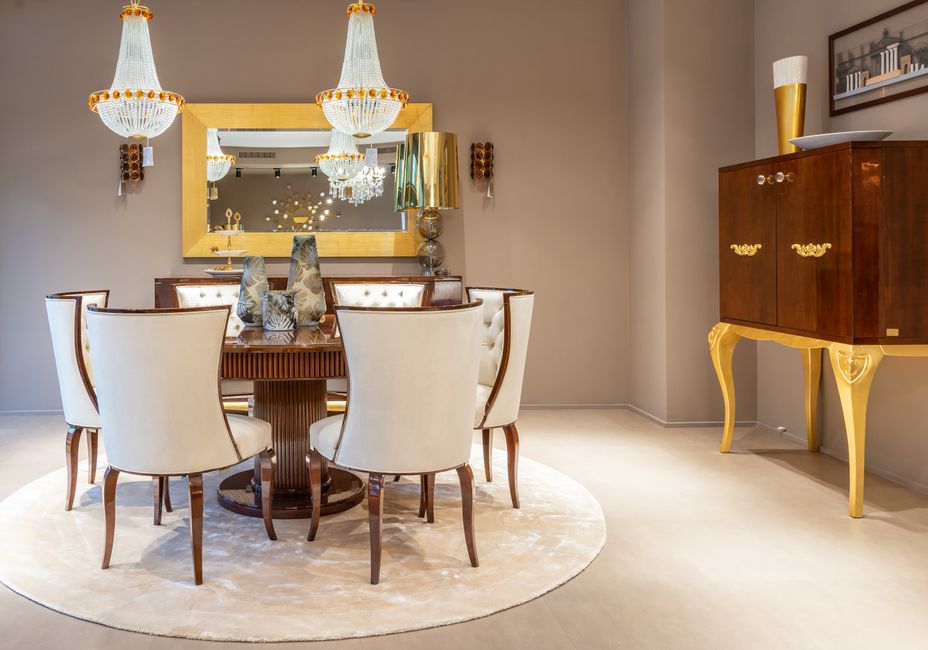
- Reclaimed Wood: Embracing historic character, reclaimed wood hides scratches and dents more easily. The varied grain and natural imperfections mean wear blends in rather than stands out. Solid Wood with an Oiled Finish: Unlike polyurethane coatings that chip, oiled finishes absorb wear softly and can be refreshed with re-oiling. Bandpass Design often incorporates these for a lived-in look that keeps evolving. Leather-Topped Tables: While unusual, they offer exceptional warmth and patina beautifully—though watch for potential scratches and stains.
Durable Tabletop Options for Heavy Use
- High-Pressure Laminate (HPL): Modern laminates mimic wood and stone, resist scratches, and are easy to clean. Great for families wary of wear but might lack the organic appeal. Concrete or Stone Slabs: Exceptionally durable but prone to chipping; best for homes where protection is guaranteed. Composite Woods with Anti-Scuff Surfaces: Engineered for resilience, these often balance durability and appearance. Architectural Digest features inspiring setups with composite tops for a modern aesthetic.
Last month, I was working with a client who wished they had known this beforehand.. The best tables aren't just about wear resistance but how the material ages. Materials that develop a pleasant patina contribute warmth and make the dining experience feel grounded and authentic.
Additional Tips to Reduce Visible Wear
- Choose rounded edges: Sharp edges catch more knocks and cause wear on clothing. Softer profiles protect pockets and knees. Use layers: Incorporate protective but attractive runners, placemats, or vintage-style tablecloths to shield core surfaces where heavy use is expected. Regular maintenance: Natural wood and oiled tables reward care with consistent maintenance rather than harsh chemicals. Focus on leg design: Select legs that minimize obstruction and don’t risk snagging pockets—a crucial detail often overlooked.
Integrating Digital Tools for a Seamless Buying Experience
While deciding on your perfect dining table, digital tools can improve the shopping journey:
- Visual Planning on Squarespace-based Sites: Many furniture brands host galleries and room planners on Squarespace (images.squarespace-cdn.com), letting you visualize different table styles in varied settings. Secure Forms Featuring reCAPTCHA: Ensure smooth communication with trusted vendors when requesting customizations or quotes without hassling over spam. Google AdSense Integration: For lifestyle blogs or affiliate sites showcasing dining tables, Google Ads (pub-2672808537104599) enables tasteful monetization that blends with editorial content, helping you stay updated on trends and deals.
Conclusion: Finding Your Dining Table That Hides Wear and Welcomes Life
Choosing a dining table when you want to avoid visible wear doesn't mean resigning yourself to sterile or trend-chasing furniture. Instead, focus on:
Understanding how people move around and interact with your table. Prioritizing room proportions and circulation to prevent awkward contact. Selecting a shape that complements your space and lifestyle. Choosing materials that embrace wear gracefully and add warmth. Implementing protective habits and accessories that preserve your investment without sacrificing charm.By taking a nuanced approach, you can find a dining table that grows more beautiful with use—showcasing the stories and connections shared around it—rather than one where every scratch feels like a disaster. Brands like Bandpass Design and inspiration from Architectural Digest provide a rich pool of ideas for tables that both perform and charm. Combining these insights with smart digital tools ensures your final choice suits your home and lifestyle perfectly.