After a decade of watching people scramble at the gate, lose their boarding passes, and panic-buy overpriced snacks, I’ve refined my travel strategy down to a single, sacred rule: keep it in one zip pouch. If it doesn't fit in the pouch, it doesn't make the trip. As a former operations coordinator for a regional airline, I learned that complexity is the enemy of movement. When you are doing 2 to 4 flights a month, the handinhandadventures "just in case" items are just dead weight. This brings me to the perennial debate of modern travel wellness: CBD tinctures versus gummies.
Which one earns its place in the pouch? Let’s break it down through the lens of a traveler who has lived through the glory days of red-eyes and the modern era of constant delays.
The Nervous System at 30,000 Feet
Travel is an assault on the nervous system. The circadian rhythm disruption, the cabin pressure, and the noise floor of a modern aircraft are enough to rattle even the most seasoned flyer. We know from research published in The Permanente Journal that CBD is frequently explored for its potential to help regulate anxiety and improve sleep scores. Furthermore, the NIH / NCBI (PubMed Central) database contains a wealth of clinical literature suggesting that cannabinoids interact with our internal endocannabinoid system to help maintain homeostasis—the exact state of balance you lose when your 6:00 AM flight gets pushed to 11:30 PM.
When I talk about nervous system regulation, I’m not talking about "getting high." I’m talking about the ability to down-regulate from the frantic energy of a terminal so you can actually sleep in a lie-flat seat or, God forbid, a middle seat in row 32.
Tinctures vs. Gummies: The Practical Breakdown
Before you commit to a long-haul flight, you need to test your supplements on a short-haul trip. Never test a new sleep aid on an international flight—you don't want to find out it has an adverse effect when you're eight hours over the Atlantic.
Feature CBD Oil Tincture CBD Gummies TSA Liquids Rules Must fit in your 3.4oz/100ml clear liquids bag. Exempt (dry item). Dosing Precision via dose control dropper. Fixed, often imprecise. Onset Time Faster (sublingual absorption). Slower (digestive tract processing). Portability Glass bottle; risk of leakage. Easy; no leakage risk. Equipment No equipment CBD (just the dropper). None required.The Case for the CBD Tincture
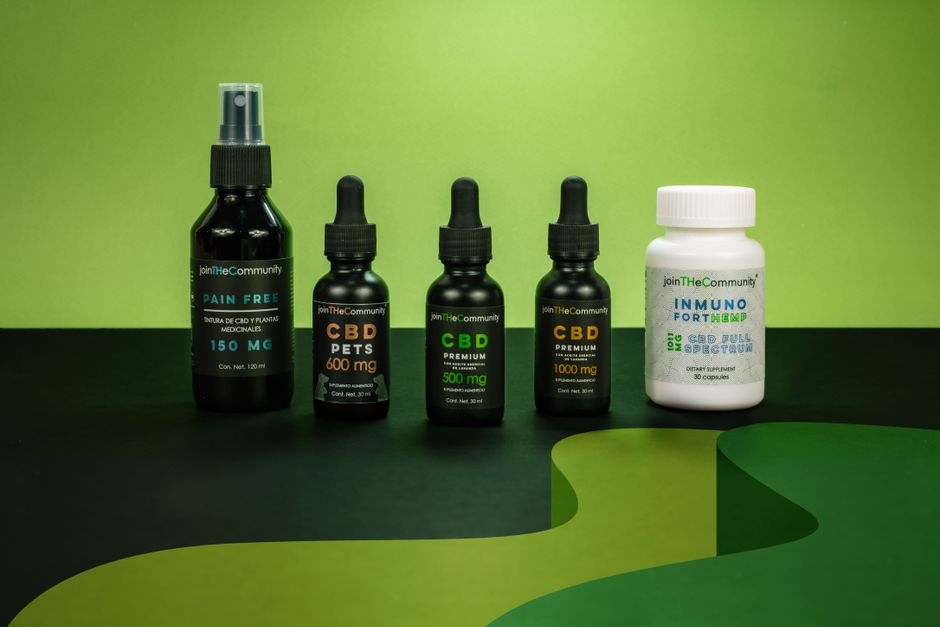
If you are a frequent traveler, the CBD tincture travel method is superior because of the dose control dropper. In the air, your tolerance for stress changes. Sometimes you need a quarter-dropper to take the edge off; sometimes, before a red-eye, you need a full milliliter. Tinctures offer that flexibility. Brands like Joy Organics offer clean, broad-spectrum options that provide clear third-party lab results / certificate of analysis (COA), which is non-negotiable for me. If a company can’t show me the COA, I’m not putting it in my body.
However, you must be hyper-aware of TSA liquids rules. A standard 30ml (1oz) tincture bottle fits perfectly in your quart-sized liquids bag. Do not attempt to bring a 4oz bottle; TSA agents do not care about your sleep quality when they are clearing a queue of 200 people.
The Case for the Gummy
Gummies are the "low maintenance" option. They are discreet, they aren't considered liquids, and they don't leak. If you have an overstuffed packing list, gummies are easier to shove into a side pocket. But they lack the precision of a tincture. Once you’ve eaten a 25mg gummy, you’re committed. If it’s too much, you’re stuck feeling groggy; if it’s too little, you can’t exactly "top it off" easily without consuming unnecessary sugars or additives.
The "Hydration" Trap and Electrolytes
You’ve heard it a million times: "Stay hydrated." It is the most useless advice in travel. Nobody explains why. Aircraft cabins are typically pressurized to an altitude of 6,000 to 8,000 feet, and the humidity levels often drop below 20%. That is drier than the Sahara Desert. When you are that dehydrated, your nervous system is on edge, making sleep impossible regardless of how much CBD you take.
Water alone isn't enough; you need electrolytes to actually pull that fluid into your cells. I keep a small, re-sealable packet of electrolyte powder in my zip pouch alongside my tincture. When you pair proper electrolyte intake with your CBD, you’re tackling the physiological stress of the flight from both ends: cellular hydration and nervous system regulation.
Melatonin Timing and Avoiding the "Megadose"
Nothing grinds my gears like seeing travel influencers recommend 10mg or 20mg of melatonin. It’s absurd. Melatonin is a hormone, not a hammer. When you take a "megadose," you aren't helping your circadian rhythm—you're just ensuring that you’ll be groggy and disoriented upon landing. For jet lag, timing is everything. You want a micro-dose (0.5mg to 1mg) timed to the local time of your destination, not the time you are currently flying through. Using a CBD tincture to handle the *anxiety* of the flight while using a tiny, controlled dose of melatonin for the *rhythm* shift is the gold standard of professional travel.
Final Verdict: Which is Easier?
If you are serious about your travel wellness, go with the CBD tincture travel method. Yes, it requires a spot in your liquids bag, but the dose control dropper gives you a level of mastery over your physiology that a pre-dosed gummy simply cannot match. It’s professional-grade, measurable, and highly effective for those of us who spend our lives in the air.
Verify the COA: Always check the third-party lab results for any tincture, such as those provided by Joy Organics, to ensure no heavy metals or pesticides are hitching a ride in your pouch. Keep the liquids bag organized: Your tincture must be accessible. Do not bury it at the bottom of your carry-on where it will be crushed or leak. Master the Sublingual Route: Place the oil under your tongue and hold it for at least 60 seconds. This bypasses the digestive system and gets the cannabinoids into your bloodstream faster—critical when you have a 3-hour flight and a long layover ahead. Test on a Short Trip: As I always say, don't trust a new sleep aid on an eight-hour jump. Take it for a spin on a domestic hop first.
Travel is exhausting enough. You don't need to add mystery supplements or ineffective "hydration tips" to the mix. Keep your gear simple, keep your doses precise, and keep that zip pouch accessible. Your future self—the one who actually manages to get four hours of quality sleep on a red-eye—will thank you.