Whether you’re prepping for a big move across town or across states, one question keeps popping up: Can I move petrol or gas cans with professional movers? From Southside Moving in Portsmouth, VA, to any other trusted mover you hire, the answer is very clear — due to safety and legal regulations, gasoline and other flammable liquids are strictly prohibited from professional moving trucks.
In this article, we’ll unpack the essentials of petrol moving restrictions, why these flammable liquids movers won’t take, and how to manage these items yourself to ensure a safe and smooth relocation. Along the way, you'll learn practical tips on decluttering, planning truck parking, and measuring for doorways to avoid costly hiccups on moving day.
Why Petrol Moving Restrictions Exist
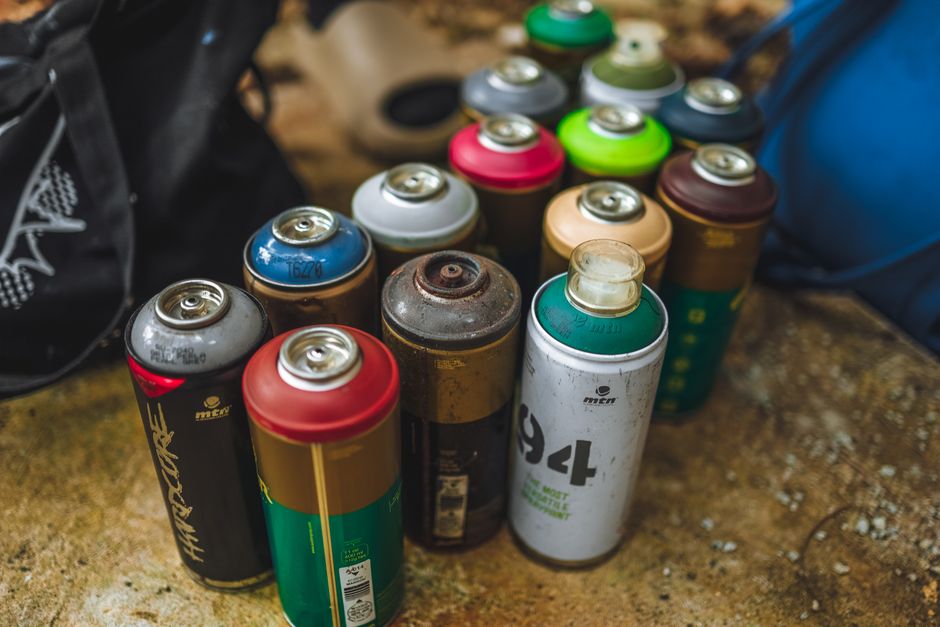
Flammable liquids such as petrol, gasoline, and other fuels pose a serious fire hazard. According to the Federal Motor Carrier Safety Administration (FMCSA), strict regulations govern what can and cannot be transported in a moving truck. This is why gas can moving rules are established to ensure safety for everyone on the road and at the moving site.
Professional movers, including companies like Southside Moving (Southside Portsmouth VA Movers), adhere strictly to these safety protocols. Gasoline vapors can ignite from the smallest spark—so movers won’t accept any containers of petrol or other flammable substances as part of their shipment. This policy protects your valuables, the movers’ equipment, the moving crew, and neighboring properties.
What does FMCSA say?
The FMCSA offers extensive guidance in its booklet “Your Rights and Responsibilities When You Move” and the brochure “Ready to Move”. These documents highlight that:
- Flammable liquids are among non-allowables that movers will refuse. Attempting to bring prohibited items onto the truck can cause delays and even contract cancellations. Consumers are responsible for safely transporting these hazardous materials themselves—often by emptying and disposing or hand-carrying small quantities in approved containers.
Using resources like Protect Your Move can empower consumers with smart insights on proper moving protocols and exemptions.
Decluttering: The Secret to Safer, Cheaper Moves
One of the easiest ways to comply with petrol moving restrictions and reduce costs is to declutter well before move day. Here’s why:
- Cut costs: Movers often charge based on volume or weight, so eliminating unneeded or hazardous items means paying for less space. Speed unpacking: With fewer boxes and no dangerous materials to worry about, unwinding after the move is simpler and faster. Safety compliance: Removing flammable fluids ahead of time avoids last-minute headaches or failed inspections by the moving company.
Try putting the following items on your “do not move with movers” list taped inside a kitchen cabinet for quick reference:
- All petrol and gasoline containers Paints, solvents, and turpentine Lighter fluid and propane tanks Cleaning fluids and aerosols Fireworks and ammunition
Handling Petrol and Gas Cans Safely Yourself
Since movers won’t transport petrol containers, plan ahead to relocate these safely:
Drain tanks completely: Empty lawnmower or generator gas cans well before moving. Let them air out outdoors to minimize vapors. Use approved containers: Only transport petrol in labeled, DOT-approved gas cans designed for flammable liquids. Keep quantities small: Ideally, transport no more than a few gallons per vehicle trip. Secure cans upright: To prevent leaks or spills during transport, secure cans firmly in the vehicle. Never smoke or create sparks: Exercise extreme caution when handling these materials.Logistics Matter: Truck Parking and Building Access
Before moving any heavy items or large furniture, I always ask my clients: “ Where will the truck park?” This is more than a courtesy question—parking location affects how quickly the movers can load and unload your belongings, and how safely.
At places like condominiums and apartment buildings, policies often restrict parking permits, moving hours, and elevator reservations. Book these well in advance. Southside Moving is familiar with Portsmouth's building access rules and can help coordinate elevator block times and certificate of insurance (COI) submissions for smooth entry.
Measure Your Furniture and Doorways
Nothing stalls a move like realizing your sofa won’t fit out the front door or that the stairwell angles are too tight. Before the movers arrive, I recommend:
- Using a tape measure to check width, height, and depth of big furniture pieces. Measuring all door frames, stairwells, and elevator dimensions along your move path. Pre-labeling rooms with painter’s tape in bold letters to guide movers, so boxes and furniture go exactly where they belong.
Taking these steps prevents damage to your items and building surfaces while reducing the risk of move-day delays and surcharges.
Summary Table: Flammable Liquids vs. Professional Moving Rules
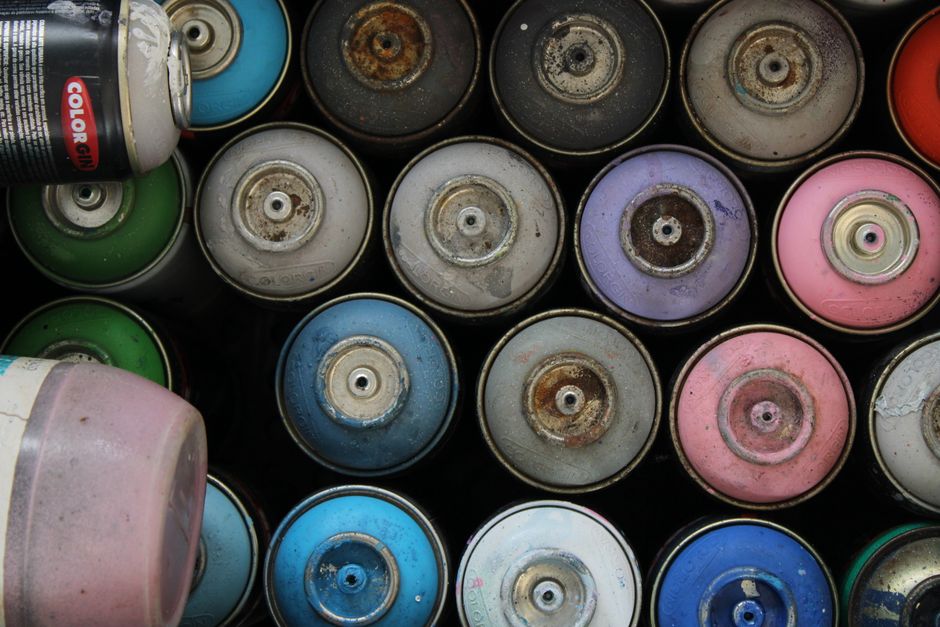
Item Allowed on Moving Truck? Safety Notes Consumer Responsibility Petrol / Gasoline No Highly flammable; fire hazard Drain and transport separately in approved containers Paints and Solvents No Flammable and toxic vapors Dispose or transport separately following local guidelines Propane Tanks / Fuel Canisters No Explosion risk in enclosed spaces Exchange or transport independently if possible Household Goods (Furniture, Clothes, etc.) Yes — Label by room; measure large items for fitFinal Takeaways
When planning your move, always remember the gas can moving rules and petrol moving restrictions. Flammable liquids are not permitted on moving trucks regulated by the FMCSA or professional movers such as Southside Moving in Portsmouth, VA. To avoid headaches:
- Declutter and remove hazardous materials well before move day. Use official FMCSA resources like Your Rights and Responsibilities When You Move and Ready to Move brochures to understand what is allowed. Plan truck parking and building access ahead of time to expedite your move. Measure large furniture and doorways carefully to prevent damages and delays.
By following best practices and respecting safety restrictions, you help everyone—from the movers to you and your belongings—have a safe, efficient, and https://resident.com/home-and-living/2026/08/20/how-to-prepare-your-home-before-professional-movers-arrive stress-free moving experience. Never hesitate to consult your movers early and use resources at Protect Your Move for trustworthy information.