In modern bathroom design, lighting plays a pivotal role not just in function but also in shaping the perception of space. One of the biggest challenges designers and homeowners face is how to make a bathroom wall feel wider and more expansive. The solution often lies in the lighting around and behind the bathroom mirror. With advances in LED technology and sleek mirror designs, the old vanity light bars and sconces are making way for innovative lighting concepts that transform the bathroom ambiance and spatial experience.
In this article, we'll dive into bathroom mirror lighting ideas that visually widen walls, spotlight key players like LED Mirror World, and reference trusted resources including Homedit and select Google Preferred Sources. We also touch on how social tools like Twitter and Facebook can provide ongoing inspiration from real projects shared by design pros and enthusiasts.
Why Lighting Matters for Wide Bathroom Walls
Illumination dramatically changes how surfaces like paint, tile, wood, and stone appear, affecting perceived depth and breadth. When light washes across these surfaces evenly, walls seem to stretch outward, making a room feel larger and airier.
Traditional lighting fixtures such as vanity bars or sconces often produce focused or harsh light that creates shadows or uneven brightness. This can visually narrow walls and highlight imperfections.
Enter LED mirrors with integrated lighting: they emit soft, even light that glides along the wall’s surface. The result is enhanced wall texture, color, and an expansive feel that flatters the bathroom’s full length.
Types of Mirror Lighting That Expand Wall Space
Understanding the various LED mirror lighting styles helps you select the one that optimally widens your bathroom walls.
1. Backlit Mirrors
Backlit mirrors feature light sources mounted behind the glass, causing a halo effect that gently washes the wall surface around the mirror. As the light flows outward, it minimizes hard shadows, creating a glowing aura that visually separates the mirror from the wall. This soft glow effectively extends the visual boundaries of the wall.
Backlit mirrors are especially great for walls painted in mid-tone colors or with subtle tile patterns, as the light reveals their depth without overpowering the surface texture. LED Mirror World offers a curated collection of backlit mirrors that balance brightness and warmth perfectly.
2. Edge-lit Mirrors
Edge lighting means LEDs are installed around the perimeter of the mirror’s edges, channeling light through a frosted border etched onto the glass. The light softly escapes from the edges, producing a thin luminescent line that outlines the mirror.
While edge-lit mirrors generate a bold statement, be mindful that in real life, the lines can feel more distinct and sometimes harsh compared to photos. They work best with simple rectangular mirror shapes where the light line accentuates clean geometry and complements contemporary fixtures in the bathroom.
3. In-Glass Light Lines
These mirrors embed linear LED elements within the glass, often in vertical or horizontal bars across the mirror surface. This method combines illumination and utility — you get direct task lighting while also crafting a visual rhythm that breaks up the mirror surface.
Be cautious if your bathroom stone or tile features prominent veining or busy patterns: the in-glass light lines may clash visually. Homedit frequently highlights designs where in-glass lighting successfully pairs with minimalist stone slabs to maintain harmony.
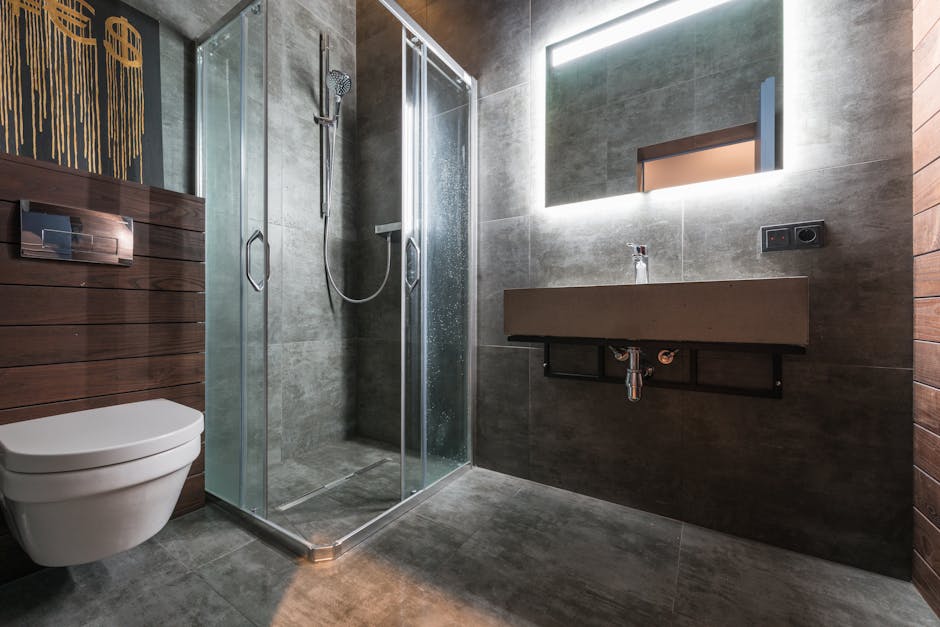
Bathroom Wall Lighting: How Light Interacts With Different Materials
The composition of your bathroom wall—whether paint, tile, wood, or stone—affects how different lighting techniques alter the space’s perception. Let’s break down the interplay.
Wall Surface Effect of LED Mirror Halo Lighting Design Tips Painted Walls Halo lighting softly washes the wall, emphasizing smoothness and amplifying color depth, making the wall look endless. Choose matte or eggshell finishes that diffuse the light evenly. Avoid overly glossy paint that causes glare. Tile (Glossy or Matte) Light brings out texture and grout lines; a subtle halo can highlight tile patterns without inducing harsh reflections. Use warm light tones to prevent overly blue or sterile effects. Backlighting is usually gentler than edge-lit on tiles. Wood Paneling Light emphasizes grain and warmth; halo light softens the contrasts and visually broadens the panel widths. Pick warm or neutral LED temps (~3000K) that preserve wood’s natural color and avoid whiteness that can feel cold. Stone (Marble, Quartz, etc.) The interplay of light and veining is delicate—illumination enhances or fights with stone patterns depending on intensity and direction. Backlighting behind the mirror aids subtler stone, while in-glass lighting may conflict with busy veining. Less is more.Long Vanity Layouts: Using Multiple Mirrors and Lighting to Widen Walls
Bathrooms with spacious, extended vanities benefit greatly from linear mirror arrangements paired with LED halo lighting. Here’s why:
- Continuity: Multiple mirrors with consistent halo lighting create a rhythm that stretches the wall visually. Break Up Scale: Instead of one giant mirror, dividing the space into segments with lit borders keeps the wall from feeling monolithic. Even Light Distribution: Spreading out light sources prevents shadow zones and bright spots, maintaining a seamless glow across the wall.
LED Mirror World offers modular LED mirrors perfect for lengthy vanities, ideal for luxury bathrooms or family homes with dual sinks. This approach maximizes light wash, resulting in expanded wall perception.
Replacing Vanity Light Bars and Sconces with LED Mirrors
Traditionally, bathroom lighting relied heavily on vanity light bars mounted above, or sconces flanking the mirror. These fixtures, while classic, often produce uneven lighting with shadows that can narrow the perception of walls. LED mirrors with integrated lighting revolutionize this setup by:
Eliminating visual clutter – no bulky fixtures break the sleek wall lines. Providing balanced, glare-free illumination directly at face level. Washing the wall surface around the mirror, subtly broadening the space.Before switching entirely, consider the color temperature of integrated LED light. Avoid overly blue lighting—a common pitfall marketed as “modern” or “luxury”—since it can feel harsh in real life. Instead, opt for warm or neutral whites that harmonize with natural materials and skin tones.
Where to Find Inspiration and Real-Life Examples
Platforms like Twitter and Facebook Marketplace and Groups are surprisingly rich sources homedit for authentic snapshots and user reviews of bathroom mirror lighting setups. These communities enable you to see how lighting impacts different wall surfaces and layouts beyond pristine marketing photos.
Additionally, websites such as Homedit curate expert design tips and feature thoughtfully photographed spaces showcasing how mirror halo lighting enhances bathroom walls. They often provide detailed notes on placement and finishes, helping you avoid vague claims.
Final Thoughts: Choose Simple Mirror Shapes and Let Lighting Do the Work
From experience editing dozens of bathroom layouts, one recurring truth is that simple rectangular mirrors paired with precisely engineered LED halo lighting beat complicated mirror shapes with excessive features. Busy mirror designs often compete with stone veining or tile patterns, pulling focus away from the wall’s natural beauty and the intended spatial illusion.
When you choose an LED mirror that emits a soft, even halo wash onto your wall, you’re leveraging light itself as the tool that makes your bathroom feel wider, lighter, and wonderfully spacious.

References
- Homedit – Bathroom Mirror Lighting Ideas LED Mirror World Google Preferred Sources Twitter Facebook